10 Hand Conditions That May Be Symptoms of an Underlying Disease
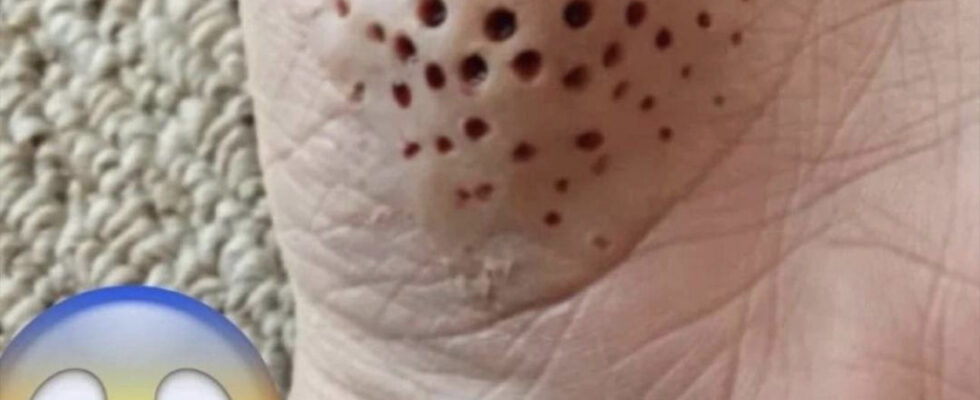
The hands can reveal health conditions like heart disease, Raynaud’s, psoriasis, nickel allergy, and more.
Your hands speak volumes, especially when something’s not working right. Their form, function, and appearance can offer important prognostic and diagnostic clues.
You can learn a lot about your health by looking at your hands. Certain medical conditions and diseases can present with various symptoms in your hands. Here’s what these signs and symptoms could mean.
A Rash
A red rash on your hand or wrist might indicate a nickel allergy, sometimes morphing into oozing blisters. Sensitivity to nickel is one of the most common causes of allergic contact dermatitis.1 Allergic contact dermatitis is a skin condition that causes a rash when your skin comes into contact with an allergen.
Many everyday objects touching your skin—such as bracelets, watches, rings, and cell phones—contain nickel. You can also develop a hand rash from ingesting foods containing nickel.1
Foods that contain high amounts of nickel include:1
Buckwheat
Cashews
Cocoa powder
Licorice
Soy products (such as soy sauce, tofu, and soybeans)
Some things may up your chances of developing allergic contact dermatitis, including how old you are, what you do for work, and whether you have a history of atopic dermatitis, aka eczema.2
Atopic dermatitis is a chronic (long-lasting) skin condition that can appear as a rash on the hands. The skin can become inflamed, red, irritated, and extremely itchy. Flares—when the disease is worse—are often followed by periods of clear skin.3
It’s unsure what causes atopic dermatitis, but it seems related to your genetics, immune system, and environment. The disease usually appears during childhood, and many children are free of symptoms by the time they are teenagers. Some people, however, develop it when they’re adults.3
You’re more likely to get atopic dermatitis if someone else in your family has it, hay fever, or asthma. It also seems to be more common in non-Hispanic Black children and females.3
Foods that contain high amounts of nickel include:1
Buckwheat
Cashews
Cocoa powder
Licorice
Soy products (such as soy sauce, tofu, and soybeans)
Some things may up your chances of developing allergic contact dermatitis, including how old you are, what you do for work, and whether you have a history of atopic dermatitis, aka eczema.2
Atopic dermatitis is a chronic (long-lasting) skin condition that can appear as a rash on the hands. The skin can become inflamed, red, irritated, and extremely itchy. Flares—when the disease is worse—are often followed by periods of clear skin.3
It’s unsure what causes atopic dermatitis, but it seems related to your genetics, immune system, and environment. The disease usually appears during childhood, and many children are free of symptoms by the time they are teenagers. Some people, however, develop it when they’re adults.3
You’re more likely to get atopic dermatitis if someone else in your family has it, hay fever, or asthma. It also seems to be more common in non-Hispanic Black children and females.3
Foods that contain high amounts of nickel include:1
Buckwheat
Cashews
Cocoa powder
Licorice
Soy products (such as soy sauce, tofu, and soybeans)
Some things may up your chances of developing allergic contact dermatitis, including how old you are, what you do for work, and whether you have a history of atopic dermatitis, aka eczema.2
Atopic dermatitis is a chronic (long-lasting) skin condition that can appear as a rash on the hands. The skin can become inflamed, red, irritated, and extremely itchy. Flares—when the disease is worse—are often followed by periods of clear skin.3
It’s unsure what causes atopic dermatitis, but it seems related to your genetics, immune system, and environment. The disease usually appears during childhood, and many children are free of symptoms by the time they are teenagers. Some people, however, develop it when they’re adults.3
You’re more likely to get atopic dermatitis if someone else in your family has it, hay fever, or asthma. It also seems to be more common in non-Hispanic Black children and females.3