Skin can often work as a mirror to what is occuring inside the body. One condition that demonstrates this connection is Livedo Reticularis (LR), a vascular disorder that appears as a purplish, net-like or lace-patterned discoloration on the skin. While it may seem alarming, livedo reticularis is not always a signal of a serious underlying disease. However, in certain cases, it can be linked with systemic conditions that require medical attention.
What is Livedo Reticularis?
Livedo reticularis is characterized by a mottled, web-like pattern of reddish-blue or purple discoloration that usually appears on the legs, arms, or trunk. The condition happens when bl00d flow through the small bl00d vessels under the skin is interrupted, slowed, or uneven, causing a pooling of deoxygenated blood. The discoloration typically becomes more noticeable in cold weather and may fade when the skin warms up.
There are two main forms:
Physiological (Primary) Livedo Reticularis
A benign and temporary reaction to cold temperatures.
Common in children, young adults, or people with fair skin.
Usually disappears once the skin warms up.
Pathological (Secondary) Livedo Reticularis
Linked to underlying health problems such as autoimmune diseases, vascular disorders, or blood clotting abnormalities.
More persistent and may require medical evaluation.
Causes and Associated Conditions
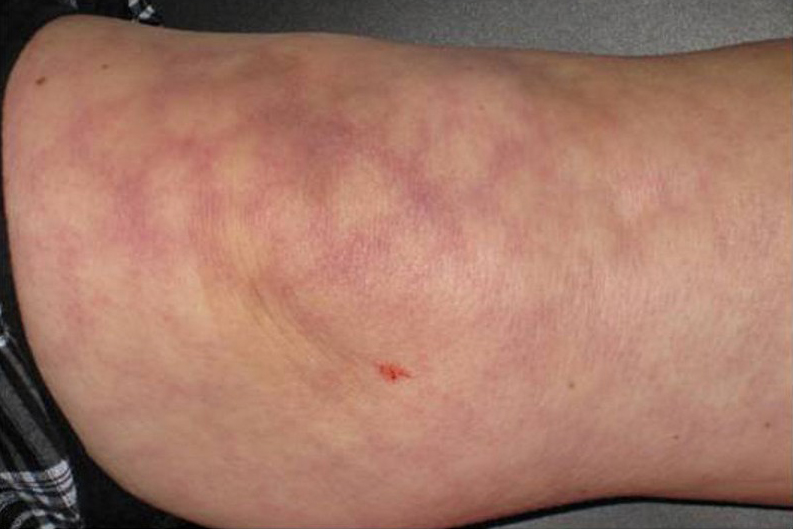
The appearance of livedo reticularis can result from several different causes:
Cold exposure: A popular, harmless trigger.
Vascular issues: Conditions that affect bl00d vessels, such as vasculitis or peripheral artery disease.
Autoimmune diseases: Lupus, rheumatoid arthritis, or antiphospholipid syndrome.
Blood clotting disorders: Thrombophilia or other clotting abnormalities.
Medications: Certain drugs, including some used for Parkinson’s disease or blood pressure management, may cause skin changes.
In rare cases, livedo reticularis may imply serious systemic illnesses such as Sneddon’s syndrome (a combination of livedo reticularis and stroke risk), polyarteritis nodosa, or cholesterol embolization.
Symptoms to Watch For
The hallmark sign of livedo reticularis is the reticulated (net-like) discoloration of the skin. Other symptoms depend on the underlying cause and may include:
Coldness or numbness in affected areas
Pain or discomfort in the legs
Skin ulcers or sores in severe cases
Neurological symptoms (headaches, strokes) if connected to systemic disease
If the discoloration is temporary and fades when warm, it is usually benign. However, persistent or worsening symptoms should prompt medical consultation.
Diagnosis
A healthcare provider will usually start with a physical examination of the skin pattern and review of the patient’s medical history. Additional tests may include:
Bl00d tests: To check for autoimmune markers or clotting disorders.
Skin biopsy: Rarely needed, but may help identify vascular inflammation.
Imaging studies: To evaluate blood flow or underlying vascular disease.
Treatment Options
Treatment depends on whether the condition is primary or secondary:
For primary livedo reticularis:
No treatment is typically required.
Avoiding cold exposure and keeping the body warm usually helps.
For secondary livedo reticularis:
Addressing the underlying cause is crucial.
Medications may include anticoagulants (to prevent clots), corticosteroids (for inflammation), or drugs that improve circulation.
Lifestyle changes such as quitting smoking, regular exercise, and managing blood pressure or cholesterol may also be recommended.
When to See a Doctor
You should find medical advice if:
The discoloration does not disappear with warmth.
You experience pain, ulcers, or open sores.
Other symptoms such as joint pain, fatigue, or neurological issues accompany the skin changes.
Conclusion
Livedo reticularis can be a harmless response to cold, but it can also signal an underlying health problem requiring attention. Spotting the difference is essential. If you spot persistent mottling of your skin, especially with additional symptoms, meet a healthcare professional for proper evaluation. Early diagnosis and treatment of secondary causes can prevent complications and improve quality of life.