Complete Guide to Skin Fungus and Ringworm
Skin fungus, also known as fungal skin infections, is a common condition caused by microorganisms called fungi. One of the most common fungal infections is ringworm, a superficial infection that affects the skin, scalp, nails, and other areas of the body. In this article, you will learn what skin fungus and ringworm are, how they are transmitted, how to treat them with medical solutions and natural remedies, and how to prevent them.
1. What are Skin Fungi?
Fungi are microorganisms that can live on the skin, hair, and nails without causing harm. However, when they encounter a moist, warm environment, they can proliferate and cause infections.
There are several types of fungal skin infections, including:
• Ringworm (dermatophytosis): This is an infection caused by fungi called dermatophytes. It occurs on different parts of the body and is given different names depending on the affected area.
• Cutaneous candidiasis: Caused by the fungus Candida albicans, which can cause infections in moist areas of the body, such as armpits, groin, and between the fingers.
Onychomycosis: Fungal infection of the fingernails or toenails.
• Pityriasis versicolor: Infection caused by the fungus Malassezia, which causes spots on the skin.
2. What is Ringworm?
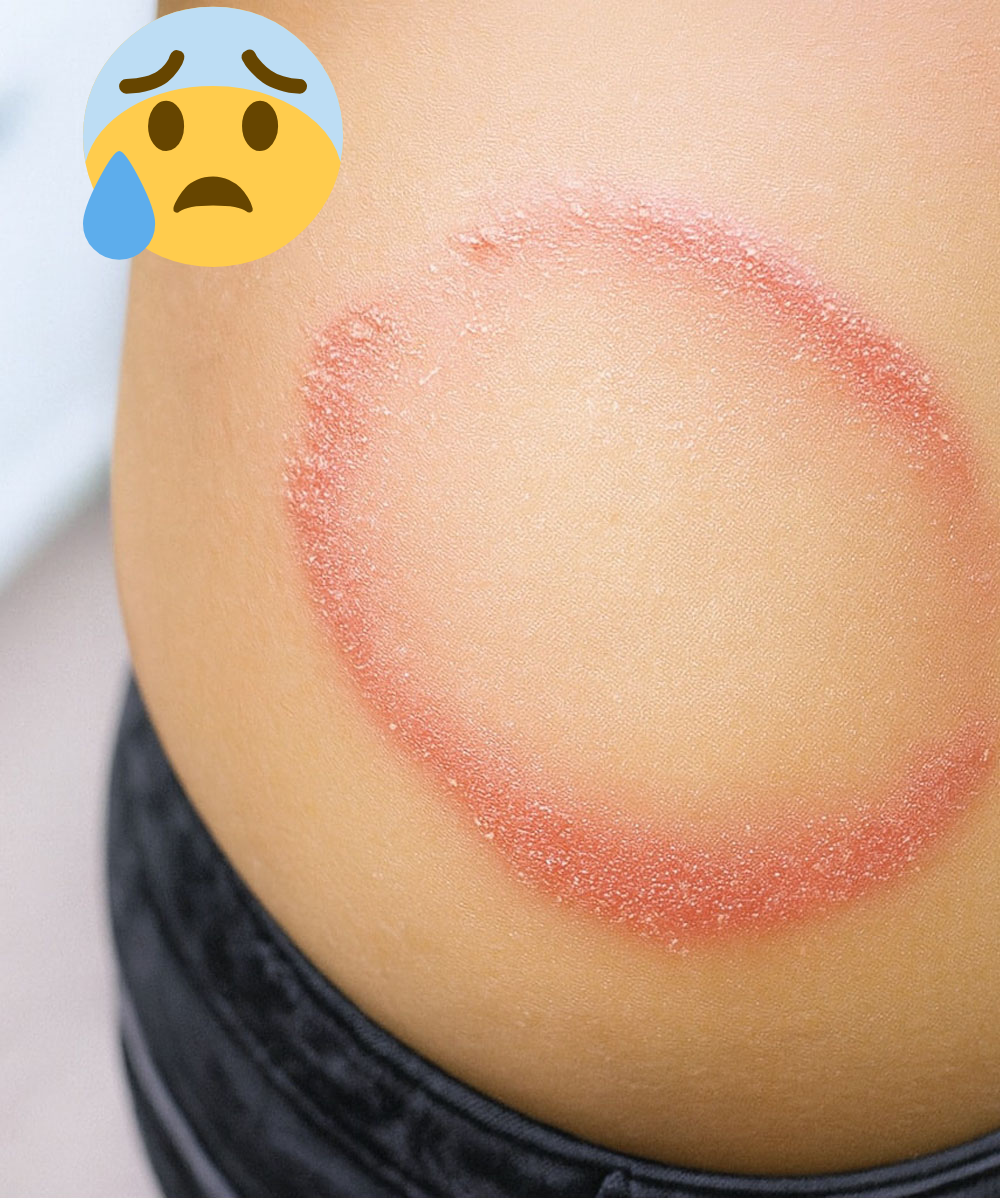
Ringworm is a superficial fungal infection caused by dermatophytes. It can affect different areas of the body and usually presents as a red, ring-shaped rash, sometimes scaly and itchy.
Types of Ringworm and Symptoms
1. Tinea Corporis:
• Affects the skin of the body (arms, legs, torso).
• Appears as round patches with raised edges and a clear center.
• May cause itching and inflammation.
2. Tinea Capitis (Scalp Ringworm):
• Affects the scalp and can cause hair loss.
• Severe crusting and dandruff may occur.
• It is common in children.
3. Tinea Pedis (Athlete’s Foot):
• Is located between the toes and on the soles of the feet.
• Causes scaling, cracking, and a foul odor.
4. Jock Itch (Tinea Cruris):
• Affects the groin and inner thighs.
• Causes itching, redness, and scaling.
5. Tinea Unguium (Onychomycosis):
• Infects the nails, making them thick and brittle.
• Can cause deformation and color changes.
3. How Are Skin Fungi Transmitted?
Fungi are transmitted through direct contact with:
• Infected people.
• Infected animals (dogs, cats, horses).
• Contaminated objects (clothing, towels, shoes, combs).
• Damp surfaces (swimming pools, gyms, public showers).
4. Medical Treatments for Fungal Infections and Ringworm
Treatment depends on the type and severity of the infection. The most commonly used medications are:
A) Topical Antifungals (Creams and Ointments)
For mild, localized infections, doctors recommend over-the-counter or prescription antifungal creams, such as:
• Clotrimazole (Canesten)
• Miconazole (Daktarin)
• Terbinafine (Lamisil)
• Ketoconazole (Nizoral)
These should be applied twice a day for 2 to 4 weeks.
B) Oral Antifungals
For severe or widespread infections, antifungal pills are prescribed, such as:
• Itraconazole
• Fluconazole
• Terbinafine
These medications require a prescription and should be taken for weeks or months, depending on the infection.
C) Specific Treatments
• For onychomycosis, antifungal lacquers (amorolfine) or long-term oral treatments are used.
• For tinea capitis, oral griseofulvin or terbinafine is recommended.
5. Natural Remedies for Skin Fungus
Some home remedies can help relieve symptoms and complement medical treatment.
A) Apple Cider Vinegar
• Natural antifungal properties.
• Apply with a cotton ball to the affected area twice a day.
B) Garlic
• Has antimicrobial properties.
• Crush a clove of garlic and mix with coconut oil. Apply for 30 minutes and rinse.
C) Tea Tree Oil
• Powerful natural antifungal.
• Apply diluted in coconut oil twice a day.
D) Baking Soda
• Absorbs moisture and prevents fungal growth.
• Sprinkle in shoes and apply as a paste to the skin.
E) Aloe Vera
• Soothing and antifungal properties.
• Apply fresh aloe gel to the infected area three times a day.
These remedies can complement medical treatment, but they do not replace antifungals prescribed by a specialist.